Psalm 118
Psalm 118: The Stone the Builders Rejected
The Easter psalm: the stone the builders rejected, the gates thrown open, and the day the Lord has made.
Psalm 118 is the Easter psalm of the Church, a song of thanksgiving for God’s loving kindness that endures forever. Days before his death, Jesus quoted it about himself: the stone the builders rejected has become the cornerstone.
Pray it now
Psalm 118 in full
1Give thanks to the LORD, for he is good, for his loving kindness endures forever.2Let Israel now say that his loving kindness endures forever.3Let the house of Aaron now say that his loving kindness endures forever.4Now let those who fear the LORD say that his loving kindness endures forever.5Out of my distress, I called on the LORD. The LORD answered me with freedom.6The LORD is on my side. I will not be afraid. What can man do to me?7The LORD is on my side among those who help me. Therefore I will look in triumph at those who hate me.8It is better to take refuge in the LORD, than to put confidence in man.9It is better to take refuge in the LORD, than to put confidence in princes.10All the nations surrounded me, but in the LORD’s name I cut them off.11They surrounded me, yes, they surrounded me. In the LORD’s name I indeed cut them off.12They surrounded me like bees. They are quenched like the burning thorns. In the LORD’s name I cut them off.13You pushed me back hard, to make me fall, but the LORD helped me.14The LORD is my strength and song. He has become my salvation.15The voice of rejoicing and salvation is in the tents of the righteous. “The right hand of the LORD does valiantly.16The right hand of the LORD is exalted! The right hand of the LORD does valiantly!”17I will not die, but live, and declare the LORD’s works.18The LORD has punished me severely, but he has not given me over to death.19Open to me the gates of righteousness. I will enter into them. I will give thanks to the LORD.20This is the gate of the LORD; the righteous will enter into it.21I will give thanks to you, for you have answered me, and have become my salvation.22The stone which the builders rejected has become the cornerstone.23This is the LORD’s doing. It is marvelous in our eyes.24This is the day that the LORD has made. We will rejoice and be glad in it!25Save us now, we beg you, LORD! LORD, we beg you, send prosperity now.26Blessed is he who comes in the LORD’s name! We have blessed you out of the LORD’s house.27The LORD is God, and he has given us light. Bind the sacrifice with cords, even to the horns of the altar.28You are my God, and I will give thanks to you. You are my God, I will exalt you.29Oh give thanks to the LORD, for he is good, for his loving kindness endures forever.
Psalm 118 · WEBC
“The stone which the builders rejected; the same is become the head of the corner.”
Go deeper
What Psalm 118 Means
Psalm 118 is the psalm the Church sings at Easter, and it is the one Christ applied to himself in the last week of his life.
It is a thanksgiving liturgy, built for a procession: voices call and answer, gates are opened, and a crowd moves toward the altar with branches. It belongs to the Hallel, the group of psalms sung at Passover, which means it is very likely among the psalms Jesus and the apostles sang at the Last Supper before going out to the Mount of Olives.
At its centre is the line that made it inescapable: the stone which the builders rejected has become the head of the corner. Jesus quotes it at the end of a parable directed at the chief priests, and they understood exactly what he meant. The builders are the ones responsible for the building. The rejected stone is not discarded material; it is the one everything else is aligned to.
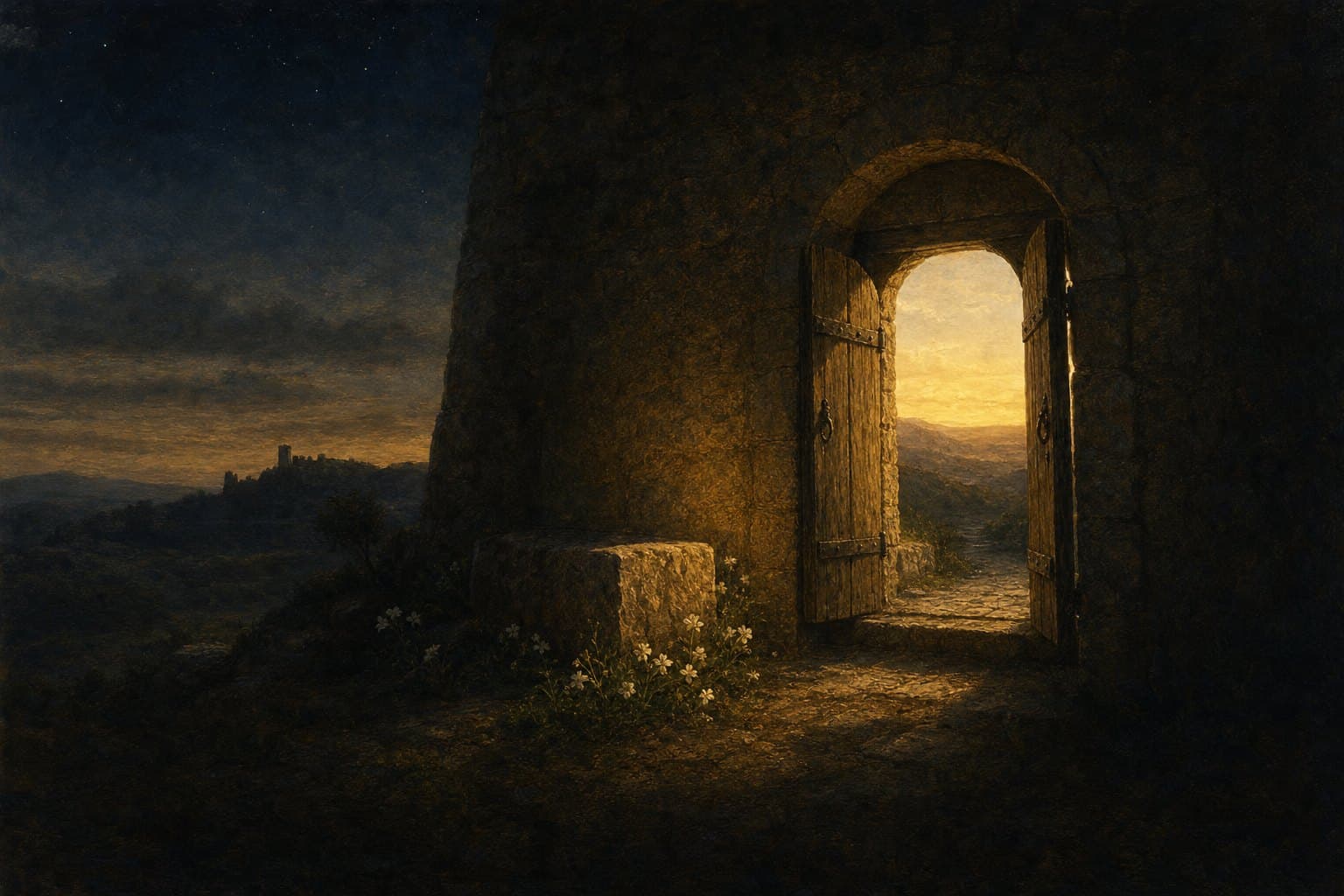
The psalm also gives the Church the verse it sings on Easter morning: this is the day that the LORD has made, we will rejoice and be glad in it. Read in place it is not a general remark about a nice day. It is said by people who have come through something, at the moment the gates open.
It opens and closes with the same line about mercy enduring forever, which is how a liturgy is built.
Liturgical Use in the Catholic Church
Psalm 118 is the responsorial psalm of Easter Sunday and is used throughout the Easter Octave. It belongs to the Hallel psalms sung at Passover and appears at Sunday Lauds in the Liturgy of the Hours.
Praying Psalm 118 — A Simple Practice
Pray it aloud, because it was written for voices answering each other and it goes flat when read silently. On Easter morning it needs no preparation at all. During the rest of the year, the stone verse is the one to keep: it is addressed to anyone who has been passed over by the people doing the choosing, and it does not promise recognition so much as a different builder.
Verse 24, “This is the day that the LORD has made,” is where many begin a morning prayer of gratitude — before the phone, and before the day’s worries.
“This is the day that the LORD has made” is one of the verses families read before the meal in our Thanksgiving prayers — with a dinner blessing the whole table can answer.
Questions people ask
What does the stone the builders rejected mean?
The builders are those responsible for the building, and the rejected stone turns out to be the one everything is aligned to. Jesus applied the verse to himself at the end of a parable addressed to the chief priests, who understood the reference precisely.
Why is Psalm 118 the Easter psalm?
It is a thanksgiving liturgy of procession and open gates, it belongs to the Hallel sung at Passover, and it contains the verse the Church sings on Easter morning: this is the day that the Lord has made.
Did Jesus sing Psalm 118 at the Last Supper?
Very likely. It belongs to the Hallel, the group of psalms sung at Passover, and the Gospels record that after the supper they sang a hymn before going out to the Mount of Olives.
What is Psalm 118 in the Douay-Rheims?
Psalm 117, following the Septuagint numbering used by the Vulgate.