Psalm 139
Psalm 139: You Have Searched Me and Known Me
What it means to be fully known by God: no hiding place, no darkness, and a Maker who knit you together.
Psalm 139, “You have searched me and known me,” is the psalm of being completely known by God. It says there is nowhere far enough away to be out of his reach, and that he knit us together in our mother’s womb.
Pray it now
Psalm 139 in full
1LORD, you have searched me, and you know me.2You know my sitting down and my rising up. You perceive my thoughts from afar.3You search out my path and my lying down, and are acquainted with all my ways.4For there is not a word on my tongue, but behold, LORD, you know it altogether.5You hem me in behind and before. You laid your hand on me.6This knowledge is beyond me. It’s lofty. I can’t attain it.7Where could I go from your Spirit? Or where could I flee from your presence?8If I ascend up into heaven, you are there. If I make my bed in Sheol, behold, you are there!9If I take the wings of the dawn, and settle in the uttermost parts of the sea,10even there your hand will lead me, and your right hand will hold me.11If I say, “Surely the darkness will overwhelm me. The light around me will be night,”12even the darkness doesn’t hide from you, but the night shines as the day. The darkness is like light to you.13For you formed my inmost being. You knit me together in my mother’s womb.14I will give thanks to you, for I am fearfully and wonderfully made. Your works are wonderful. My soul knows that very well.15My frame wasn’t hidden from you, when I was made in secret, woven together in the depths of the earth.16Your eyes saw my body. In your book they were all written, the days that were ordained for me, when as yet there were none of them.17How precious to me are your thoughts, God! How vast is their sum!18If I would count them, they are more in number than the sand. When I wake up, I am still with you.19If only you, God, would kill the wicked. Get away from me, you bloodthirsty men!20For they speak against you wickedly. Your enemies take your name in vain.21LORD, don’t I hate those who hate you? Am I not grieved with those who rise up against you?22I hate them with perfect hatred. They have become my enemies.23Search me, God, and know my heart. Try me, and know my thoughts.24See if there is any wicked way in me, and lead me in the everlasting way.
Psalm 139 · WEBC
“But darkness shall not be dark to thee, and night shall be light as the day: the darkness thereof, and the light thereof are alike to thee.”
Go deeper
What Psalm 139 Means
Psalm 139 is about being known, and it refuses to make that comfortable straight away.
It opens with a total inventory: you know my sitting down and my rising up, you understand my thought from far off, you know my words before I say them. Read in the wrong mood, the first verses are close to claustrophobic, and the psalm seems aware of it. It does not rush to reassure.
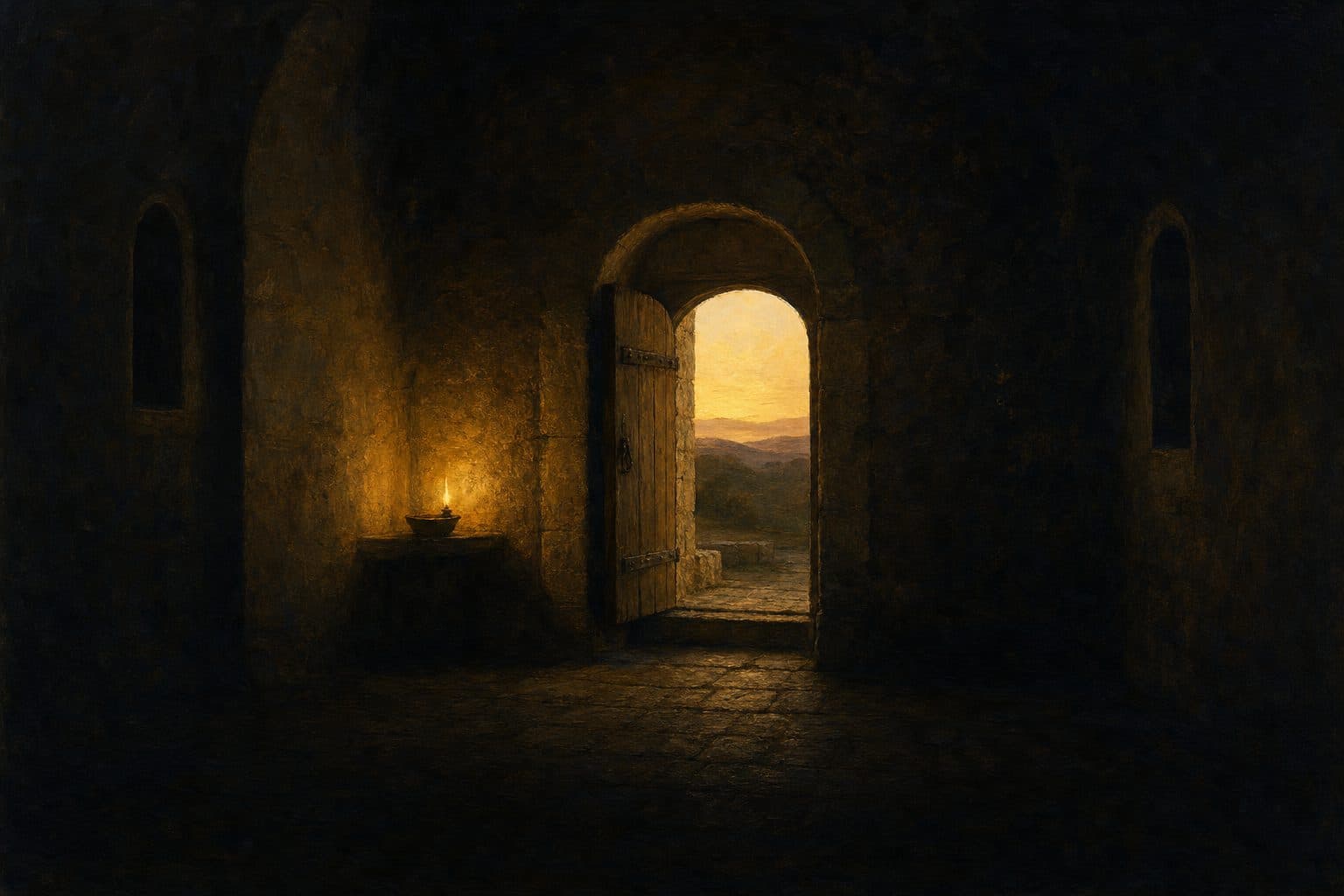
Then the famous passage on escape. If I ascend to heaven you are there, if I make my bed in Sheol you are there, if I take the wings of the dawn and settle at the far side of the sea, even there your hand will lead me. The list is exhaustive on purpose. Height, depth, distance, and finally darkness, which the psalm says is not dark to God at all.
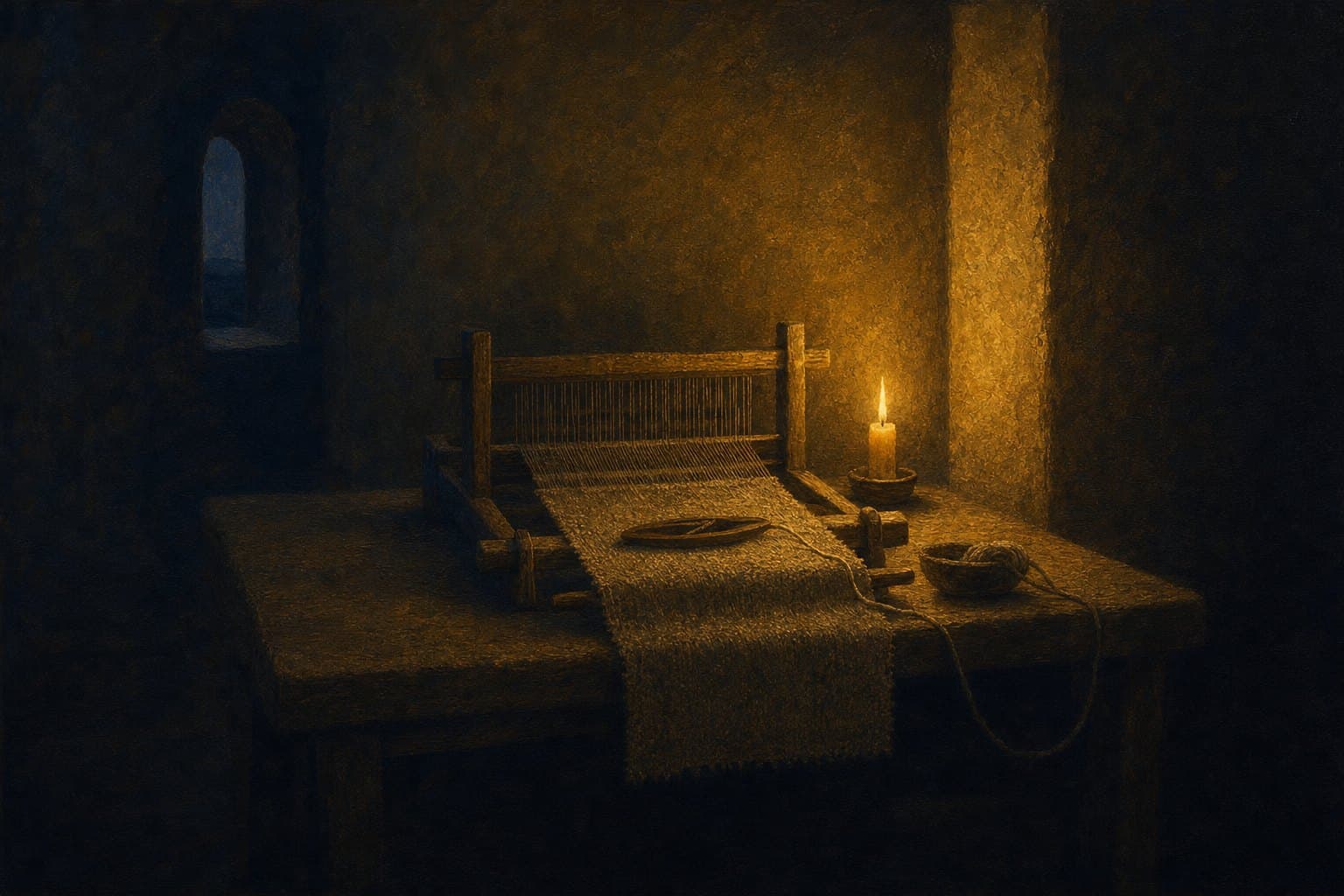
What turns the psalm is what this knowing is for. The middle section moves to being formed in the womb, knit together, made in secret, and the tone shifts from surveillance to craftsmanship. The one who knows everything is the one who made it. Being fully known stops being exposure and becomes recognition.
It ends by inviting the very thing it began by describing: search me, know my heart. Having established that God sees everything, the psalmist asks him to look.
Liturgical Use in the Catholic Church
Psalm 139 appears in the Liturgy of the Hours and is widely used in reflection on the dignity of human life from conception, drawing on its account of being formed in the womb.
Praying Psalm 139 — A Simple Practice
Read the first six verses and notice your own reaction, because it is diagnostic: being fully known is either a threat or a relief, and which one it is tells you something about what you think God is like. Then read to the end, where the psalm answers that question. It is a good psalm for anyone who feels unseen and for anyone who feels too seen.
Verse 12, “the night shines as the day,” is the heart of a night prayer: The Night is Not Dark to You — for when the dark itself feels like a threat.
“Fearfully and wonderfully made” is where many start when they need to hear who they are before God: Identity in Christ — a prayer that says it aloud.
Questions people ask
What is Psalm 139 about?
Being completely known by God. It moves from an inventory of everything God knows about the psalmist, through the impossibility of escaping his presence, to being formed in the womb, where the knowing turns out to be the knowledge of a maker.
What does Psalm 139 say about the womb?
That the psalmist was formed and knit together in his mother's womb and made in secret, seen by God before being seen by anyone. It is the passage most often cited in Catholic reflection on the dignity of life from conception.
Is Psalm 139 comforting or unsettling?
Both, deliberately. The opening reads as surveillance and the middle reframes it as craftsmanship: the one who knows everything is the one who made it. The psalm ends by inviting the very examination it began by describing.